

Bioconstruction Materials: Discover Their Remarkable Advantages
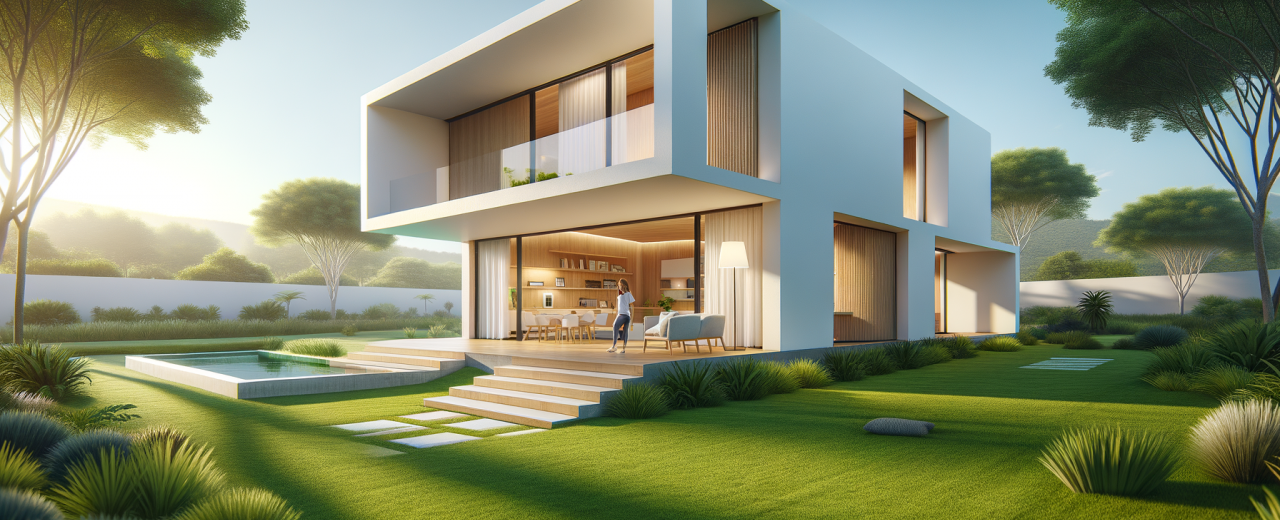
If there were a way to create a home that felt more alive, healthier, and easier to maintain while also protecting the planet, wouldn’t you at least want to explore it? The materials we choose for our homes, offices, and schools literally shape our daily health, our comfort, and our future.
Bioconstruction is not just a fleeting trend—it’s a powerful approach to building that brings us closer to the natural world. Outdated perceptions of mud huts or "earthy" interiors no longer apply. Today’s bioconstruction melds cutting-edge design with time-honored wisdom, leveraging natural and noble materials that look stunning and perform brilliantly.
What Are Bioconstruction Materials?
Bioconstruction materials are those derived from nature—usually minimally processed—that support the well-being of people and the environment. Think of materials like raw earth, clay, wood, cork, straw, bamboo, lime, and stone. These are not just alternatives to the synthetic, high-carbon products of the last century—they’re often healthier, longer-lasting, and far more beautiful.
Why Bioconstruction Matters: Environmental Impact
- Renewable and Local Sourcing: They often come from local, renewable resources, drastically lowering transport emissions and supporting community economies.
- Low Embodied Energy: Minimal processing means less energy consumption and fewer carbon emissions.
- Zero-Toxicity: Free from the VOCs and harsh chemicals common in standard paints, plastics, and glues.
- End-of-Life Ecology: Many return safely to the earth, supporting soil health, or can be reused with little fuss.
Health Benefits: Living Well, Naturally
- Pure Indoor Air: Natural materials don’t off-gas toxins. Unlike plastics and synthetics, they do not release substances that lead to respiratory issues, headaches, or allergies.
- Breathability: Lime, clay, and other bioconstruction surfaces are permeable—they “breathe,” allowing moisture to move naturally. This reduces mold growth, keeps humidity balanced, and maintains a healthier indoor environment.
- Fungicidal Properties: Many natural lime and clay plasters are naturally anti-microbial. They inhibit the growth of mildew, mold, and bacteria, supporting deeper well-being.
- Improved Acoustic Comfort: Thick, textured bioconstruction walls absorb and dampen sound for a quiet, peaceful home.
- Thermal Regulation: These materials help keep temperature stable, making interiors warmer in winter and cooler in summer—often reducing the need for active heating/cooling.
Less Maintenance, Lower Costs
Maintaining a bioconstructed surface is, in many cases, far less demanding than caring for synthetic walls or floors. Tadelakt and lime plasters often never need repainting. Wood and stone can age beautifully and require little more than an occasional natural wax or oil finish. The energy efficiency of well-insulated bioconstruction can even lower your utility bills over time. It’s a smart investment both financially and environmentally.
Tadelakt—A Game-Changer in Healthy, Decorative Surfaces
Why stick to ceramic tiles and plastic paints when you can have seamless, sculptural, living surfaces?
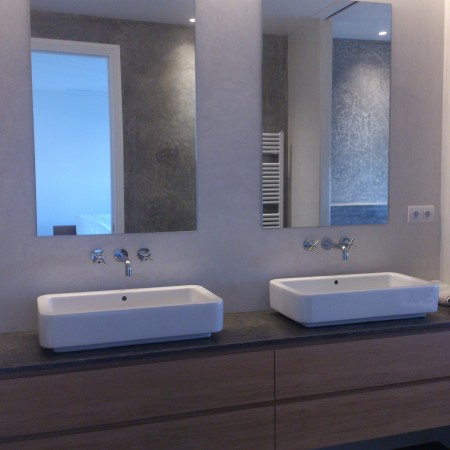
Tadelakt, a centuries-old Moroccan lime plaster, is rapidly gaining recognition among architects and healthy home enthusiasts. Its silky, marble-like finish—applied by hand and waterproofed naturally using olive soap—makes it a gorgeous, timeless substitute for tiles. It suits bathrooms, kitchens, living rooms, wet zones, even showers, and can create built-in sinks, bathtubs, and fireplaces.
But the beauty runs deeper: Tadelakt is breathable, anti-fungal, and anti-microbial. Unlike tiles, it doesn’t have grout lines for dirt or mold to hide. It has excellent thermal mass (keeping rooms temperate) and offers valuable acoustic insulation, muting noises for serene interiors. It’s also remarkably durable—often outlasting even the most expensive, “low-maintenance” synthetics. And when you’re ready for a refresh, it can be re-polished or simply left to develop a gorgeous patina.

Think You’re Too Late? Adapting Existing Homes
You don’t need to build a new house from scratch to capture the benefits of bioconstruction. Even in a conventional home, you can introduce elements like Tadelakt, clay, lime, or cork finishes to walls and floors. The advantages? Improved air quality, thermal comfort, noise reduction, and a touch of tactile, natural beauty the industrial world simply can’t replicate. Most of these surfaces require hardly any painting—ever. Their inherent fungicidal and breathability properties make your environment healthier for years to come.
Other Popular Bioconstruction Materials
- Cork: Wonderful as flooring or insulation, cork is soft, warm, and naturally sound-absorbent. Plus, cork is harvested without killing the tree!
- Earthen Plasters: Clay and lime-based plasters regulate humidity, are non-toxic, and can be tinted in earthy colors. Great for allergy sufferers and anyone seeking a unique finish.
- Bamboo: Rapidly renewable and strong, suitable for flooring or structural applications.
- Wood: When responsibly sourced, wood brings structure, warmth, and timeless beauty, as well as natural insulation.
- Stone: Durable, local stone (when available) is perhaps the ultimate low-maintenance, healthy surface for walls, floors, countertops, and more.
Why Living with Nature Works
Bringing genuine natural materials into our living spaces reconnects us at a primal level to the world that sustains us. Psychologically, natural colors, textures, and forms ease stress and create harmony. Physically and environmentally, the absence of chemical toxins, coupled with better humidity and indoor air quality, creates a home that isn’t just shelter—it’s sanctuary.
If you’ve considered making your home a haven for both you and the planet, now is the time to embrace the power of bioconstruction. Integrate a touch of nature in your life—your health, your comfort, and your children’s future will thank you.
What do you think about bioconstruction materials? Have you experienced or considered them in your home? Share your thoughts, doubts or dreams in the comments below! Your voice enriches the conversation.
Related products
Related posts

Is It Expensive to Install Tadelakt? Real Comparison: Original Tadelakt vs Microcement vs Tiles...
Tadelakt in Rental Bathrooms: How to Renovate Without Losing Your Deposit
Fine Lime Mortar vs Tadelakt for Walls and Bathrooms: The Ultimate Luxury & Durability Showdown

Toxic-Free Homes: Why Tadelakt is the Ultimate Coating for People with Allergies or MCS

How to Create a Concrete Effect on Walls Naturally, Without Chemicals or Microcement
How to Modernize a Bathroom in 2026: Ideas, Materials, and Trends Without Heavy Renovation

How to Renovate a Bathroom on a Budget Without It Looking Cheap: The Smart Wall Finish Guide...

Seamless Lime Plaster: The Natural and Breathable Alternative to Microcement and Resins

Lime Mortar for Coating: Types, Applications and How to Achieve a Continuous and Breathable Finish

0 comment(s)