

Covering Tiles: How and What Is the Best Material?

Tiles can speak of past design decisions, trends that have since faded, or simply outlive their charm under layers of limescale and grout. When they no longer align with your vision—or your standards for wellness and low-maintenance living—the time comes for a renovation not just in style, but in substance.
The question isn’t just how to cover old tiles. It's about what you choose to cover them with. With so many materials promising a quick fix, how do you choose the one aligning with both health and aesthetics?
Why Cover Tiles Instead of Replacing Them?
Demolishing tiles is dusty, expensive, and generates a considerable environmental and logistical footprint. Meanwhile, painting or masking over them is one of the most popular shortcuts—but not all solutions are created equal. Covering tiles also preserves existing waterproofing and structure while giving you a new, transformative finish.
The Common Options—And Their Drawbacks
- Paints (epoxy, acrylics, alkyd): Fast and inexpensive, yes, but rarely durable in wet areas. Over time, these finishes tend to crack, yellow, peel, and—most problematically—harbor mold, mildew, and limescale.
- Vinyl Coverings: Cheap and diverse in patterns, but typically high in volatile organic compounds (VOCs), which can off-gas for years and affect indoor air quality. Not recommended for anyone with an eye on wellness or sustainability.
- Tile over Tile: Doubling up is labor-intensive and requires professional skills. It unfortunately adds weight to the structure as well as more grout (and more maintenance headaches).
- Panels and Plastic Sheets: Often used for a "quick fix," they trap moisture, warp over time, and are hardly pleasing or healthy in the long run.
It’s worth noticing that not all off-the-shelf solutions are as glamorous as they appear in the shop. Many are high in toxins or degrade quickly, resulting in more waste and hassle down the line.
The Bioconstruction Perspective: Demand More from a Wall Finish
When old tiles fall out of fashion, it's your chance to elevate the space in every sense. As bioconstruction enthusiasts, we prioritize materials that are non-toxic, breath naturally, regulate humidity, and support long-term wellness—for both users and the planet.
Meet Tadelakt: The Modern Revival of Ancient Wisdom
Tadelakt is a Moroccan lime plaster that has resurfaced as one of the most remarkable answers to tile coverage—and not just for its subtle beauty. Its appeal runs deeper into daily life:
- Non-toxic and chemical-free: Tadelakt is made of natural lime and marble dust. No VOCs, plasticizers, or other petrochemical baggage.
- Mold and Limescale Resistant: Its unique structure and natural lime alkalinity deter both fungal growth and aggressive limescale deposits—even in challenging shower environments.
- Seamless and Timeless: Unlike tiles or grout, Tadelakt offers a continuous, smooth surface that’s easy to clean and visually tranquil. No cracks or joints where dirt or bacteria can gather.
- Long-lasting: Properly maintained, a Tadelakt finish can outlast paints and synthetics by decades, never yellowing or requiring periodic renewal as acrylics or plastics do.
- Low Maintenance: No need for special cleaning agents or harsh scrubbing, simply a gentle soap (preferably natural black soap) keeps it beautiful.
- Breathability: Lime plasters allow walls to "breathe," regulating indoor humidity and helping prevent condensation or rot behind the finish.
- Sensual Beauty: Polished by hand with stones and soap, Tadelakt’s subtle shine and organic curves infuse bathrooms and kitchens with a serene, one-of-a-kind atmosphere.
How to Apply Tadelakt over Tiles (Without Demolition)
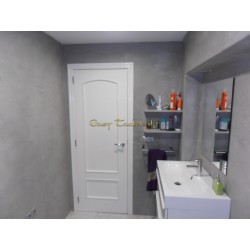
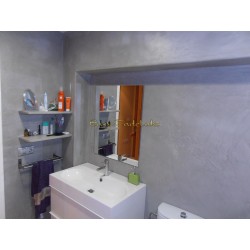
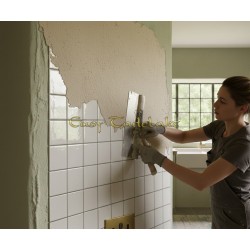
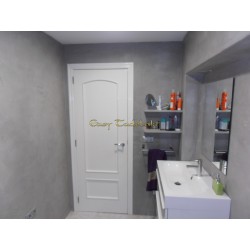
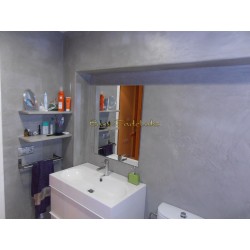
Here comes the revolution: For years, Tadelakt was reserved for new builds or intensive renovations. That changed when EasyTadelakt pioneered the application of their Moroccan lime plaster directly onto existing tiles—no demolition needed.
What's in the EasyTadelakt Kit?
- Special Tadelakt Supreme lime mix
- Essential base products that guarantee adhesion to slick surfaces like glazed tile
- Detail instructions designed for both pros and self-taught renovators
- Coverage for up to 16m2—enough for a large bathroom or kitchen wall
The process is ingenious—and manageable:
- Preparation: Clean tiles thoroughly and apply a special primer (included in the kit) for maximum adhesion.
- Scratch Coat: A first mineral layer creates a "tooth" for Tadelakt to firmly grip.
- Tadelakt Layers: Two thin coats of Tadelakt are skillfully applied and compressed with a trowel and polished stone.
- Soap Sealing: The finish is massaged with black olive soap, closing the surface pores for a water-repellent, silky result.
You’re left with a stunning, healthy, and unique surface that needs no grout, never yellows, and stands up to daily use and cleaning. The process, while artisanal, is now fully within reach thanks to well-designed kits and detailed video guides.
Why Not Just Paint?
Let’s address the tempting alternative: Specialty tile paints (acrylics, epoxies) can create an instant transformation. However, the pleasure is often short-lived. Painted surfaces are prone to dulling, discoloration, and require frequent touch-ups—especially under hot water and steamy conditions. Worse, the micro-cracks and porous structure creep open to host mold or peeling. With plastics and most paints, your “new” surface starts to look old after just a couple of years, triggering yet another cycle of renovation—and waste.
The Lasting Takeaway
The challenge in covering tiles isn’t just about hiding their pattern, but about elevating your home and wellbeing in a truly holistic sense. In the realms of eco-friendly building, few finishes are as transformative as Tadelakt—a living material that turns their flaws into a point of pride. With innovations like EasyTadelakt’s direct application kits, sustainable luxury is possible even over yesterday’s tiles—no demolition, no toxic shortcuts, just lasting beauty and health.
What do you think is the best way to cover old tiles? Have you tried Tadelakt or seen it in action? Let us know your experiences, questions, or inspirations down in the comments below—we’d love to hear your thoughts on bringing new life to old surfaces in the healthiest way possible!
Related products
Related posts
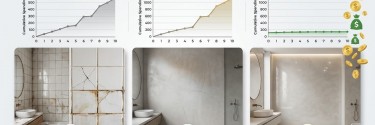
Is It Expensive to Install Tadelakt? Real Comparison: Original Tadelakt vs Microcement vs Tiles...
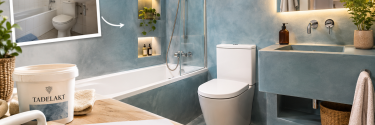
Tadelakt in Rental Bathrooms: How to Renovate Without Losing Your Deposit
Fine Lime Mortar vs Tadelakt for Walls and Bathrooms: The Ultimate Luxury & Durability Showdown

Toxic-Free Homes: Why Tadelakt is the Ultimate Coating for People with Allergies or MCS

How to Create a Concrete Effect on Walls Naturally, Without Chemicals or Microcement
How to Modernize a Bathroom in 2026: Ideas, Materials, and Trends Without Heavy Renovation

How to Renovate a Bathroom on a Budget Without It Looking Cheap: The Smart Wall Finish Guide...

Seamless Lime Plaster: The Natural and Breathable Alternative to Microcement and Resins

Lime Mortar for Coating: Types, Applications and How to Achieve a Continuous and Breathable Finish

2 comment(s)