

Natural Earth Pigments: The Complete Guide to Ochres, Siennas and Umbers for Artists and Makers
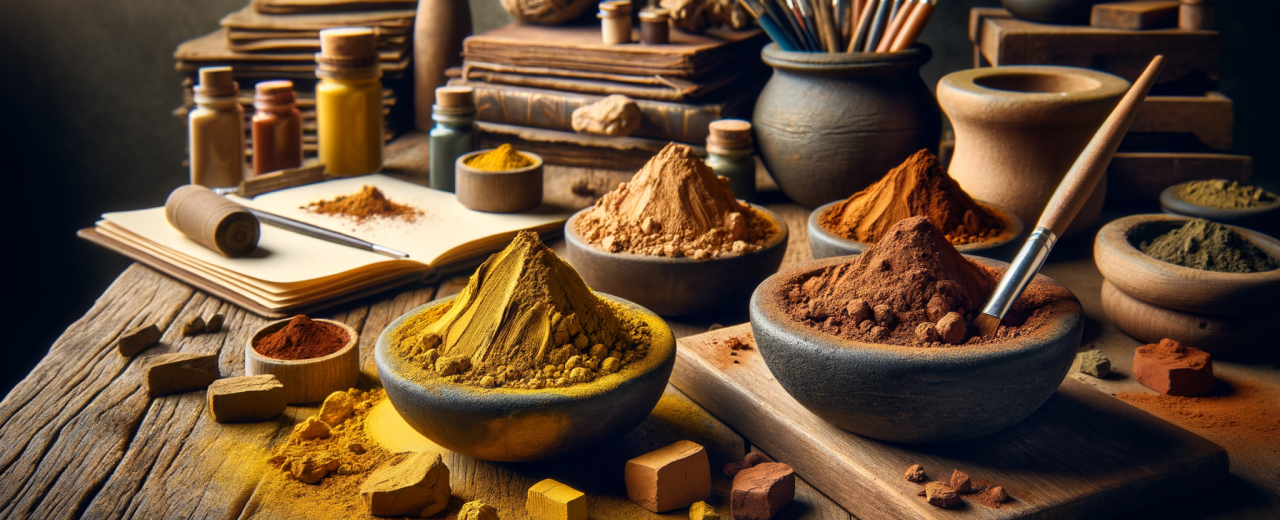
Imagine capturing the warm glow of ochre, the smoky depths of umber, or the golden transparency of sienna in your art—just as artists have done for millennia. The secret lies beneath your feet: natural earth pigments, drawn from the living skin of the planet, are history and artistry in powdered form. If you're searching for authenticity in color, this complete guide will unlock the world of ochres, siennas, and umbers for your creative journey.
Introduction: The Timeless Allure of Earth Pigments
From the prehistoric hands that painted Lascaux's caves to the Renaissance masters and contemporary creators, earth pigments have been the backbone of human expression. Their colors—rooted in nature—transcend trends, offering unparalleled permanence and beauty. In this guide, you'll learn exactly what natural earth pigments are, how to distinguish genuine ones, their applications, and how to confidently choose a perfect starter palette for your own art, restoration, or even Tadelakt finishing.
What Are Natural Earth Pigments?
Natural earth pigments are colorants occurring naturally in the earth—those ochres, siennas, and umbers whose hues are born from millennia of geological alchemy. The palette of earth pigments is shaped primarily by metallic oxides—principally iron oxide (giving ochre and sienna their golds and reds) and manganese oxide (the soul of umber). Blended with fine clays, these pigments are not just beautiful: they are extraordinarily lightfast and permanent, tested across generations of daylight and time.
True earth pigments are ground from raw minerals, washed and sifted with minimal processing. In contrast, some industrial 'earth' colors are actually synthetic iron oxides (often called Mars colors), engineered for uniformity but never matching the subtle complexity and unique texture of their natural counterparts. Choosing natural pigments means choosing time-honored depth, variation, and authenticity.
The Main Types of Earth Pigments
Each pigment tells a story—of its origin and mineral makeup, of the lands where it formed, and the craftspeople who bring it to life. Here's a comparative overview of the most prized earth pigments for artists and makers:
| Pigment | Characteristic |
|---|---|
| Yellow Ochre | Golden yellow; from hydrated iron-rich clay. Semi-opaque, celebrated for its lightfastness. |
| Red Ochre | Earthy red; hematite-rich. Used since the dawn of art in prehistoric caves. Opaque, warm. |
| Raw Sienna | Yellow-brown; earth of Tuscany. Transparent, quick-drying, ideal for ground washes. |
| Burnt Sienna | Reddish brown; calcined sienna. More transparent, with a vibrant, warmer glow. |
| Raw Umber | Deep brown, greenish hue; with manganese. Extremely fast-drying, beloved in underpaintings. |
| Burnt Umber | Warm brown; roasted umber. Increased transparency, subtle warmth, excellent for glazes. |
| Green Earth (Terre Verte) | Soft, delicate green; content of green silicates. Traditionally used for underpainting flesh tones and delicate washes. |
How to Identify Authentic Earth Pigments
In the marketplace, not all earth pigments are created equal. Many labeled as 'ochre' or 'earth pigments' may hide synthetic fillers or be mixed with cheap extenders. Genuine natural mineral pigments display a complexity and warmth that cannot be industrially replicated.
- Look: Authentic earth pigments exhibit subtle color variation and a tactile, mineral-rich texture. If the pigment appears flat, unnaturally uniform, or hyper-bright, it may be synthetic.
- Feel: Gently rub a small quantity between your fingers; the touch is fine but slightly granular, never soapy or plastic-smooth.
- Price: If the cost is astonishingly low, be skeptical. True natural earth pigments require expert sourcing and processing, reflected in the price. Trusted, specialized suppliers with decades in the field ensure guaranteed provenance.
- Benefits of authenticity: Nothing beats genuine earth pigments for their nuanced color, exceptional stability, traditional heritage, and inspiring texture—giving your work a story as rich as its surface.
Applications and Uses of Earth Pigments
Versatile, safe, and time-tested, earth pigments are used in nearly every traditional medium—and they're the secret ingredient behind the timeless colors seen in masterpieces and modern design alike.
- Oil Painting: Ochres, siennas, and umbers are foundational to classical techniques, offering transparent and opaque effects and rapid drying underlayers.
- Watercolor: Their gentle granulation provides unique textures and organic washes unrivaled by synthetic colors.
- Egg Tempera: Used since antiquity, earth pigments bond beautifully with egg yolk, delivering luminous, archival panels.
- Fresco: Essential for wall painting due to their permanence within lime plasters.
- Limewash & Tadelakt: The only pigments compatible with high pH environments. Tadelakt artisans in Morocco use these exact pigments to color waterproof lime plasters for interior architecture.
- Natural Cosmetics: Many are safe for direct skin use; ochres are still employed in natural makeup and body decoration.
How to Start with Earth Pigments: Form Your Basic Palette
The journey into natural color starts simple. We recommend every creative begin with:
- Yellow Ochre
- Red Ochre
- Burnt Sienna
- Burnt Umber
This essential palette covers a spectrum from bright sunlight to deep shadow, blending harmoniously while honoring the enduring traditions of artists and makers worldwide. Want to expand? Explore our full pigment collection under the 'Pigments' menu—each shade sourced for purity and historical authenticity.
Tadelakt enthusiasts: the pigments offered here are the same trusted by artisans across centuries to bring enduring color to Moroccan lime plaster. If you’re dreaming of walls, floors, or even functional ceramics tinted with natural earth pigments, our Tadelakt kits let you bring this tradition home.
FAQs
What are the advantages of using natural earth pigments over synthetic pigments?
Natural earth pigments offer subtle, complex color variation, unmatched lightfastness, and a unique textural quality. They connect your work to centuries of artistic heritage and are ideal for conservation and restoration, as well as Tadelakt and other natural plasters.
How do I know if my pigments are truly natural and not synthetic?
Check for consistent provenance from reputable artist suppliers, inspect the pigment for natural variation and granular texture, and beware of improbably low prices.
Can earth pigments be used in all types of paint?
Related products
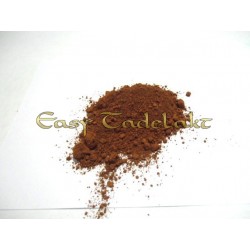
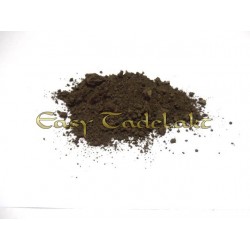
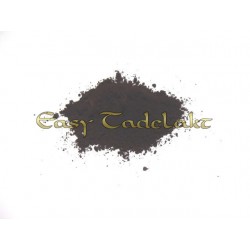
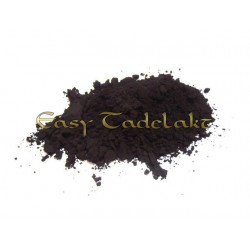
Related posts

Tadelakt in Rental Bathrooms: How to Renovate Without Losing Your Deposit

Fine Lime Mortar vs Tadelakt for Walls and Bathrooms: The Ultimate Luxury & Durability Showdown

Toxic-Free Homes: Why Tadelakt is the Ultimate Coating for People with Allergies or MCS

How to Create a Concrete Effect on Walls Naturally, Without Chemicals or Microcement

How to Modernize a Bathroom in 2026: Ideas, Materials, and Trends Without Heavy Renovation

How to Renovate a Bathroom on a Budget Without It Looking Cheap: The Smart Wall Finish Guide...

Seamless Lime Plaster: The Natural and Breathable Alternative to Microcement and Resins

Lime Mortar for Coating: Types, Applications and How to Achieve a Continuous and Breathable Finish

Lime Mortar: What It Is, Types, and Uses (Complete Guide to Rehabilitating with Natural Materials)

0 comment(s)