Tadelakt vs Microcement: Exploring the Natural and Modern Finishes
Tadelakt vs Microcement: A Clash of Style and Substance
When it comes to home decor and construction materials, the choices can be overwhelming. However, two materials have stood out for their unique properties and aesthetic appeal: Tadelakt and Microcement. Although both have been used to achieve similar finishes, they are fundamentally different in their origins, applications, and benefits.
The Origins and Evolution: Tadelakt vs Microcement
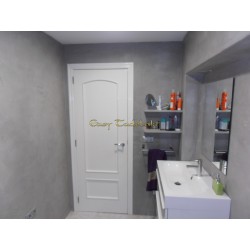
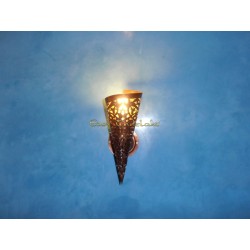
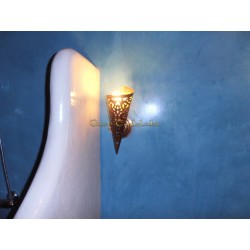
Tadelakt has a rich history that dates back centuries in Morocco. Traditionally used in palaces, hammams, and riads across Marrakech, Tadelakt is a lime-based plaster that offers a stunningly smooth, natural finish. It’s often referred to as ‘the natural microcement‘ due to its aesthetic similarities. However, it's crucial to note that microcement is actually a modern, chemical emulation of this ancient technique.
Microcement, on the other hand, is a contemporary material that has gained popularity for its sleek, industrial look and low installation cost. But can it truly rival the long-term efficiency and aesthetic allure of Tadelakt?
Advantages and Disadvantages of Microcement
Let's start with microcement, a material that boasts certain practical benefits:
- Ease of Application: Microcement is known for its quick installation process.
- Waterproof: This material provides excellent water resistance.
Yet, when we dig deeper, numerous drawbacks surface:
- Lack of Breathability: Microcement does not allow the building to breathe, trapping moisture.
- Plastic Appearance: The finish often looks artificial, lacking the natural warmth.
- Pathogen-Friendly: Its surface can foster the growth of pathogens and bacteria.
- High Maintenance: Requires regular cleaning to maintain aesthetics.
- Fragility: Prone to damage and can detach with minor water infiltration.
- Non-Suitable for Damp Walls: Due to its sensitivity to moisture.
- Poor Durability: Over time, its structural integrity weakens.
- Non-Eco-Friendly: Has a high environmental footprint during production and disposal.
- Flammable and Toxic: Highly dangerous during application without proper protection, releasing chemicals post-installation.
- Unsuitable for Harsh Conditions: Requires tailored mixing for different conditions.
- Non-Insulating: Provides no thermal or sound insulation.
The Timeless Appeal of Tadelakt
On the contrary, Tadelakt offers a more holistic approach to home enhancement:
- Fast Application: Though traditional, can still be applied relatively quickly.
- Breathable: Allows structures to naturally ventilate, preventing moisture buildup.
- Water-Repellent: Despite being breathable, water is naturally repelled.
- Natural and Luxurious Finish: Offers a seamless, harmonious surface.
- Anti-Microbial: Possesses antiseptic properties.
- Low Maintenance: Requires minimal cleaning thanks to its natural composition.
- Moisture Resistant: Handles water infiltration without significant degradation.
- Durable: Retains integrity over decades of use.
- Eco-Friendly: Natural production processes and biodegradable disposal.
- Fire Resistant: Non-flammable, ensuring a safer living environment.
- Healthy Living: Promotes well-being for inhabitants and the structure.
- Insulating: Naturally maintains interior climate, reducing energy costs.
- Natural Composition: Free from harmful chemicals.
The Moroccan Miracle
In Morocco, where temperatures can soar in the summer and plummet in the winter, Tadelakt's versatility is unmatched. Its natural insulating properties help keep homes cooler in the heat and warmer in the cold, simultaneously offering an eco-conscious approach to building design.
In the long run, investing in Tadelakt not only enhances the value of your property but significantly elevates living quality. By embracing Tadelakt, we contribute to a sustainable future—benefitting both ourselves and the environment.
Ready to transform your living space and quality of life with Tadelakt? Learn more about its plethora of benefits on our website.
0 comment(s)